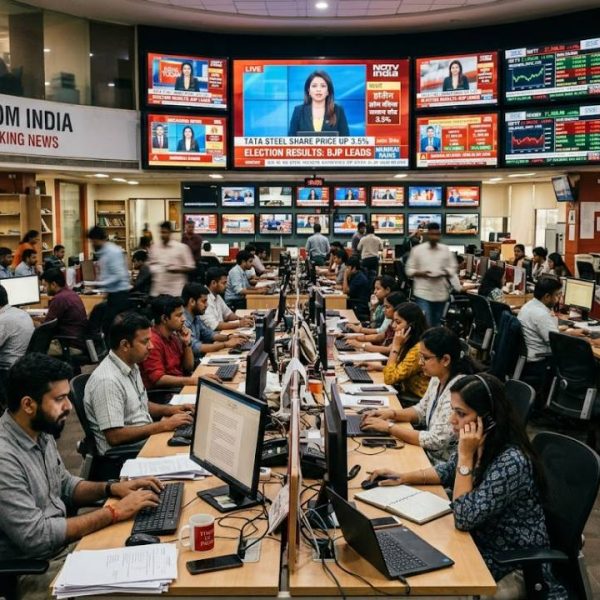

India is undergoing a historic economic transformation, driven by a mix of traditional strengths and cutting-edge innovation. From digital-first startups to heavy industry, a diverse set of sectors is fueling productivity, jobs, and exports. Understanding which industries are leading the charge is essential for entrepreneurs, investors, and professionals who want to tap into this momentum and future-proof their businesses.
1. Information Technology and Business Process Management
India’s IT and BPM sector remains one of the strongest pillars of its growth story. Global enterprises rely on Indian firms for software development, cloud solutions, cybersecurity services, and back-office operations. With a massive pool of skilled engineers and developers, India has become a preferred destination for digital transformation projects and outsourced business processes.
As more companies worldwide move to remote and hybrid models, the need for fully digital workflows, real-time collaboration, and automated documentation is surging. Tools like an **online invoice generator** from pdf invoice generator help IT service companies streamline client billing, reduce manual errors, and get paid faster—critical factors in a high-velocity, project-based sector.
2. Fintech and Digital Payments
India’s fintech industry is one of the fastest growing on the planet, powered by the widespread adoption of smartphones, affordable data, and transformative infrastructure like UPI and Aadhaar. Digital wallets, instant loan apps, neobanks, and investment platforms are changing how consumers and businesses manage their money.
Regulatory initiatives, open banking frameworks, and API-first models are enabling even small startups to access sophisticated financial tools. This is not only boosting financial inclusion but also creating a fertile ecosystem for innovation in lending, insurance, wealth management, and payment gateways. The result is a more liquid, accessible, and efficient financial system that supports rapid business expansion across all sectors.
3. E‑Commerce, D2C Brands, and Retail
India’s growing middle class and deepening internet penetration have propelled e-commerce and direct-to-consumer (D2C) brands into the spotlight. Marketplaces and independent online stores are reaching customers in metros and small towns alike, driving demand for everything from fashion and electronics to groceries and healthcare products.
For online retailers, seamless logistics, accurate inventory tracking, and smooth digital payments are essential. They also need fast, professional invoicing and documentation to manage thousands of orders efficiently. Automation in these areas reduces friction for both customers and merchants, ensuring faster fulfillment and better post-purchase experiences—key drivers of repeat business and long-term growth in this space.
4. Manufacturing and “Make in India”
Manufacturing is central to India’s ambition of becoming a global production hub. Policies like “Make in India,” production-linked incentives (PLI), and infrastructure upgrades are encouraging domestic and international players to set up factories in sectors such as electronics, automotive, consumer durables, and specialty chemicals.
Modern manufacturing in India is increasingly technology-driven, with automation, robotics, IoT-based monitoring, and advanced quality control systems becoming standard. By shifting more value-added production to India, companies can serve both domestic and export markets efficiently. This sector also has a major multiplier effect—creating supply chains, ancillary industries, and large-scale employment opportunities.
5. Renewable Energy and Clean Tech
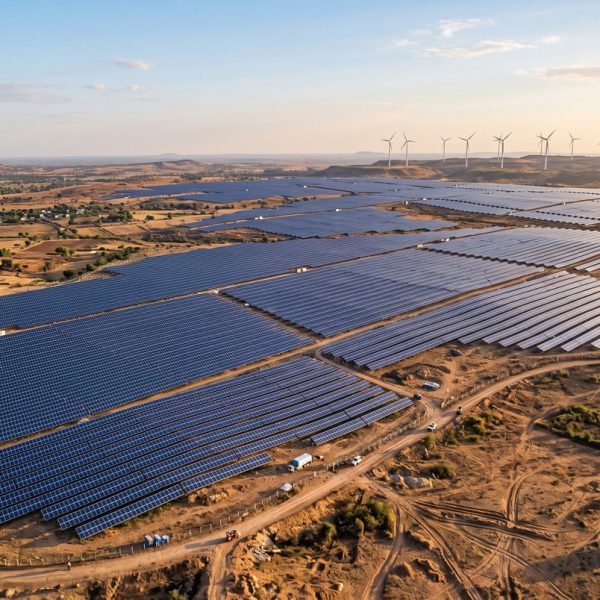
India has emerged as a serious contender in renewable energy, especially solar and wind power. Ambitious capacity targets, supportive policies, and falling technology costs are attracting global investors and developers to the clean energy space. Large solar parks, rooftop installations, and grid-scale wind projects are reshaping the country’s energy mix.
Beyond generation, innovation is taking shape in battery storage, green hydrogen, smart grids, and energy efficiency solutions. This transition reduces dependence on fossil fuels, enhances energy security, and opens new avenues for manufacturing components like solar modules, inverters, and wind turbines. Together, these developments are laying the foundation for sustainable, long-term economic growth.
6. Healthcare, Pharmaceuticals, and Medtech
Healthcare and life sciences are playing a pivotal role in India’s growth, both as essential services and as major export earners. India is one of the world’s largest producers of generic medicines and vaccines, supplying affordable drugs to numerous countries. The domestic healthcare sector, spanning hospitals, diagnostics, telemedicine, and health insurance, is also expanding rapidly.
The industries powering India's rapid growth, from pharmaceuticals to renewable energy, increasingly partner with regulators and suppliers who do not share a working language with head office. Coordinating a multi-country filing under those conditions depends on document translation that keeps pace with an already tight project timeline. Teams that treat translation as a core project task, not an afterthought, are the ones that hit their regulatory deadlines.
Medtech startups are introducing AI-enabled diagnostics, remote monitoring tools, health apps, and portable devices that can serve rural and underserved populations. As demand for quality care rises, there is a continuous need for better infrastructure, skilled personnel, and digital health records—turning healthcare into a dynamic, innovation-driven industry.
7. Infrastructure, Real Estate, and Urban Development
Physical infrastructure is the backbone of India’s economic transformation. Massive investments are flowing into highways, railways, ports, airports, metro systems, and industrial corridors. These projects reduce logistics costs, improve connectivity, and open up new markets for businesses and workers.
Urbanization is further driving growth in real estate and construction. Smart city initiatives, commercial hubs, and residential developments are creating demand for engineering services, building materials, and urban tech solutions. Together, infrastructure and real estate shape the ease of doing business and the quality of life in India’s expanding cities and towns.
8. EdTech and Skill Development
With one of the youngest populations in the world, India’s growth depends heavily on education and skill development. EdTech platforms are making learning more accessible, personalized, and employability-focused. From K-12 and test prep to upskilling in coding, design, and management, digital learning solutions are bridging the gap between education and industry needs.
Corporate training, vocational courses, and professional certifications are also gaining traction, equipping workers to thrive in tech-enabled workplaces. By aligning skills with high-demand areas like data science, AI, cloud computing, and digital marketing, this sector supports both individual career growth and national productivity.
Conclusion
The momentum of India’s economy is the result of multiple industries moving forward simultaneously—technology, finance, commerce, manufacturing, energy, healthcare, infrastructure, and education each reinforcing the other. As digital tools, policy reforms, and entrepreneurial energy converge, businesses of all sizes have unprecedented opportunities to scale.
Organizations that embrace automation, data-driven decision-making, and streamlined operations will be best positioned to benefit from this landscape. Whether through smarter financial workflows, digitized documentation, or more efficient customer engagement, aligning with these high-growth sectors can unlock sustainable success in India’s next phase of development.